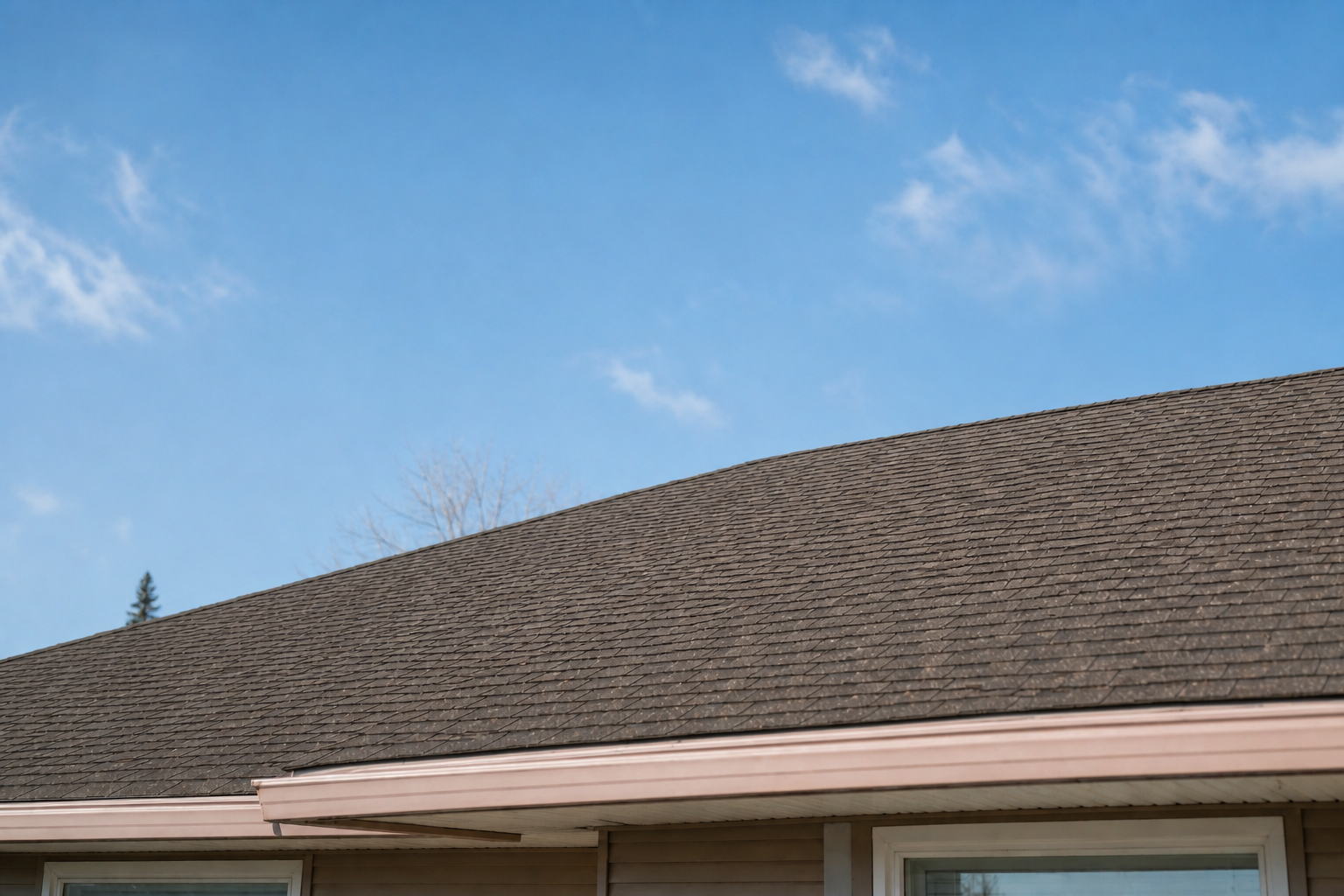
Tear off first, every time
Some contractors will lay new shingles over an old layer to save a day. We do not, because it hides deck problems, adds weight the framing was not built to carry twice over, and shortens the life of the new shingles since they cannot lie flat against an uneven surface underneath them. Tearing off to the deck lets us see exactly what is there and replace any sheet that has gone soft.
Plano has a mix of housing stock, from older ranch style homes to newer two story builds in the subdivisions further north, and each one hides different surprises under the shingles. Ranch homes from decades back sometimes have plank decking with gaps that need an overlay of plywood before new shingles can be nailed properly.
The layers that make a roof last
Drip edge goes on at the eaves first, then a self adhering membrane along the eaves and in every valley where water concentrates, then synthetic underlayment over the rest of the deck, then a second run of drip edge at the rakes. Starter strip goes down along the edges so the first course of shingles seals properly against wind uplift, which matters more here than in most parts of the country.
Step flashing and counter flashing go in at every wall and chimney intersection, and a ridge vent finishes the system so the attic can breathe properly. Skipping any one of these layers saves an hour of labor and costs years of roof life, and it is usually the layer nobody can see once the shingles go down on top.
Materials built for this climate
Architectural shingles are the standard choice for Collin County roofs because they carry a higher wind rating than older three tab shingles and they hide the small imperfections of a deck that has settled over the years. We size the wind rating and the nailing pattern to what a spring storm front actually delivers here, not to a bare minimum requirement.
Impact rated shingles are worth a conversation on any roof that has already taken a hailstorm, since the cost difference is smaller than most homeowners expect and the resistance is genuinely real.
Timeline and weather
A typical single family roof in Plano or Frisco is torn off, dried in and shingled in one to two days depending on size and pitch. We never strip more roof than we can dry in before the crew leaves for the day, and during storm season the schedule shifts around the forecast rather than a fixed calendar date.
You get a final walkthrough with photos from tear off through completion, along with a note on the ventilation and flashing details specific to your roof and your house.